Click to go to surfacing chart.

Wooden Playground Mulch

wooden playground mulch

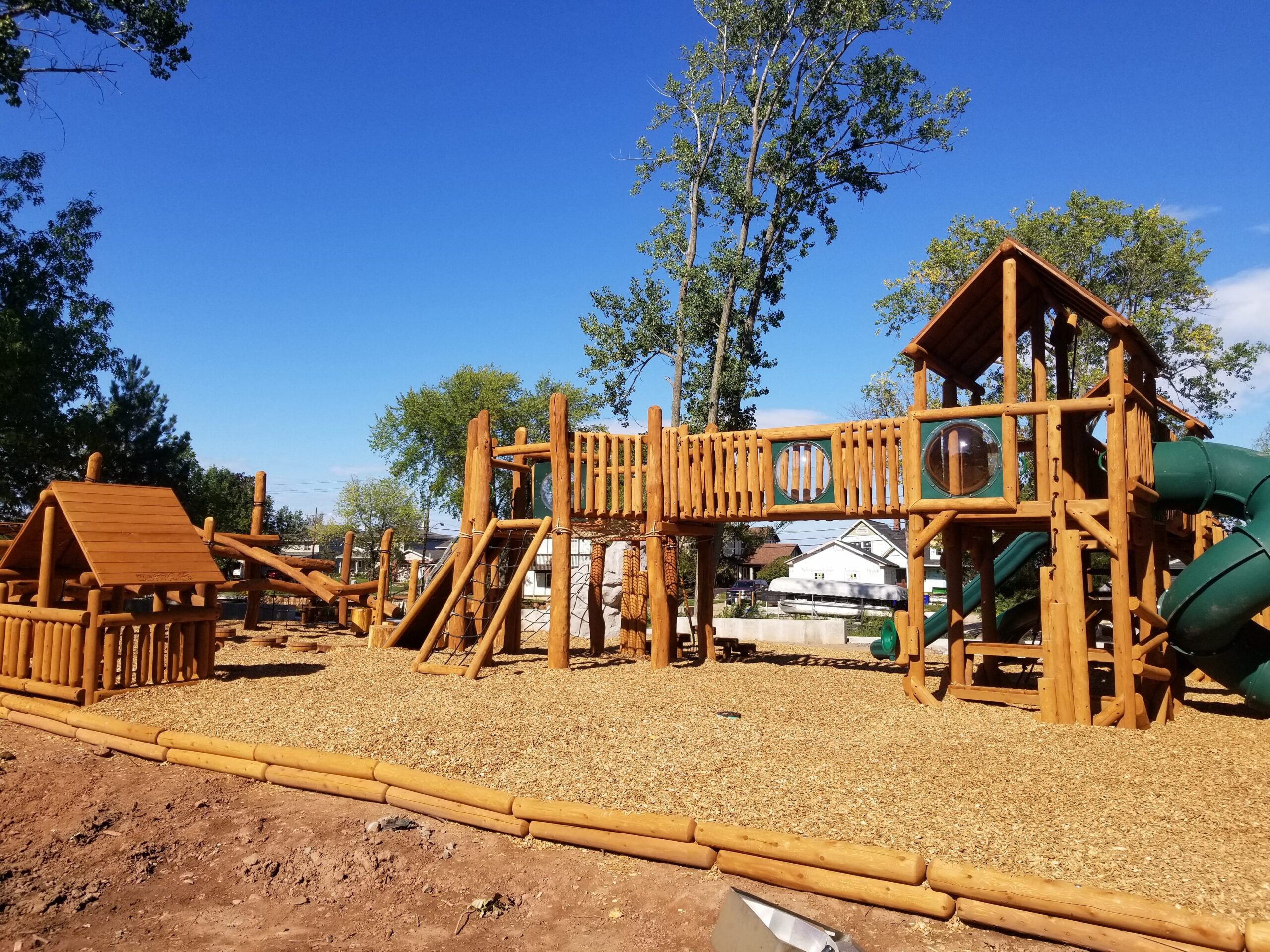
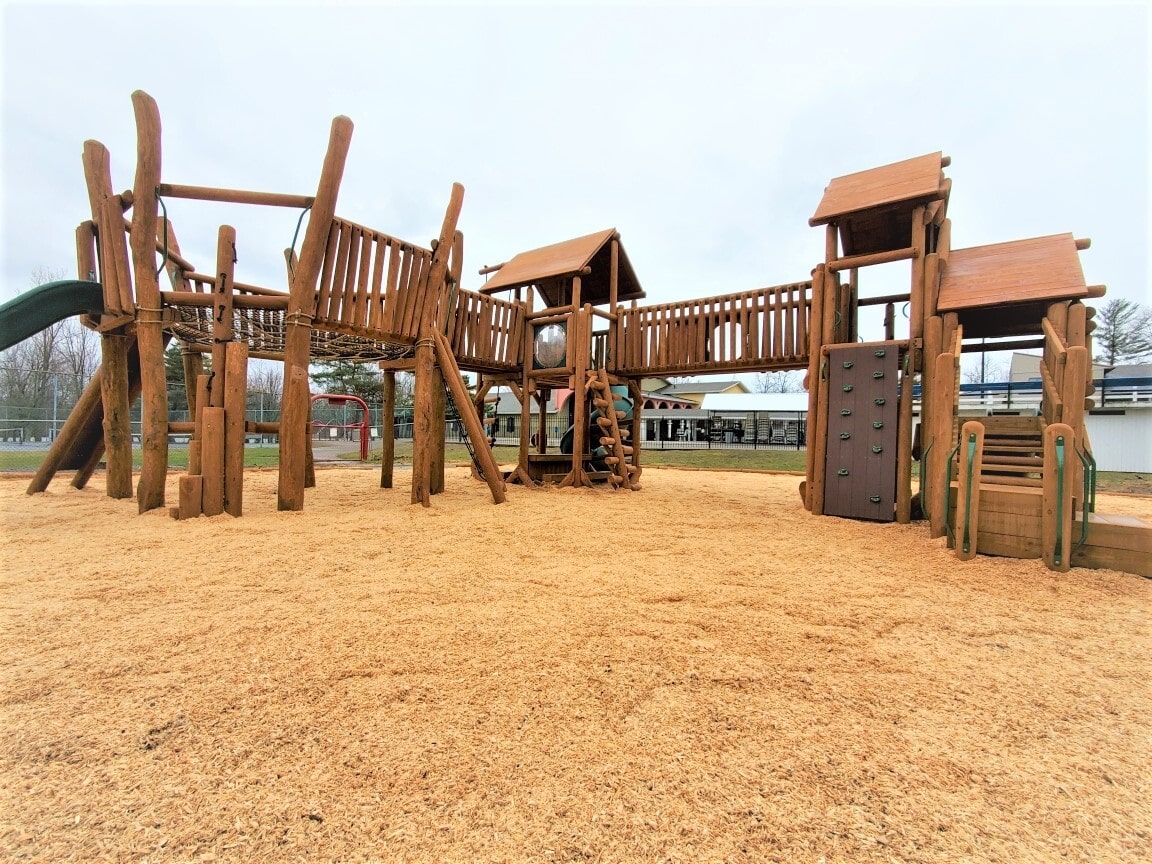
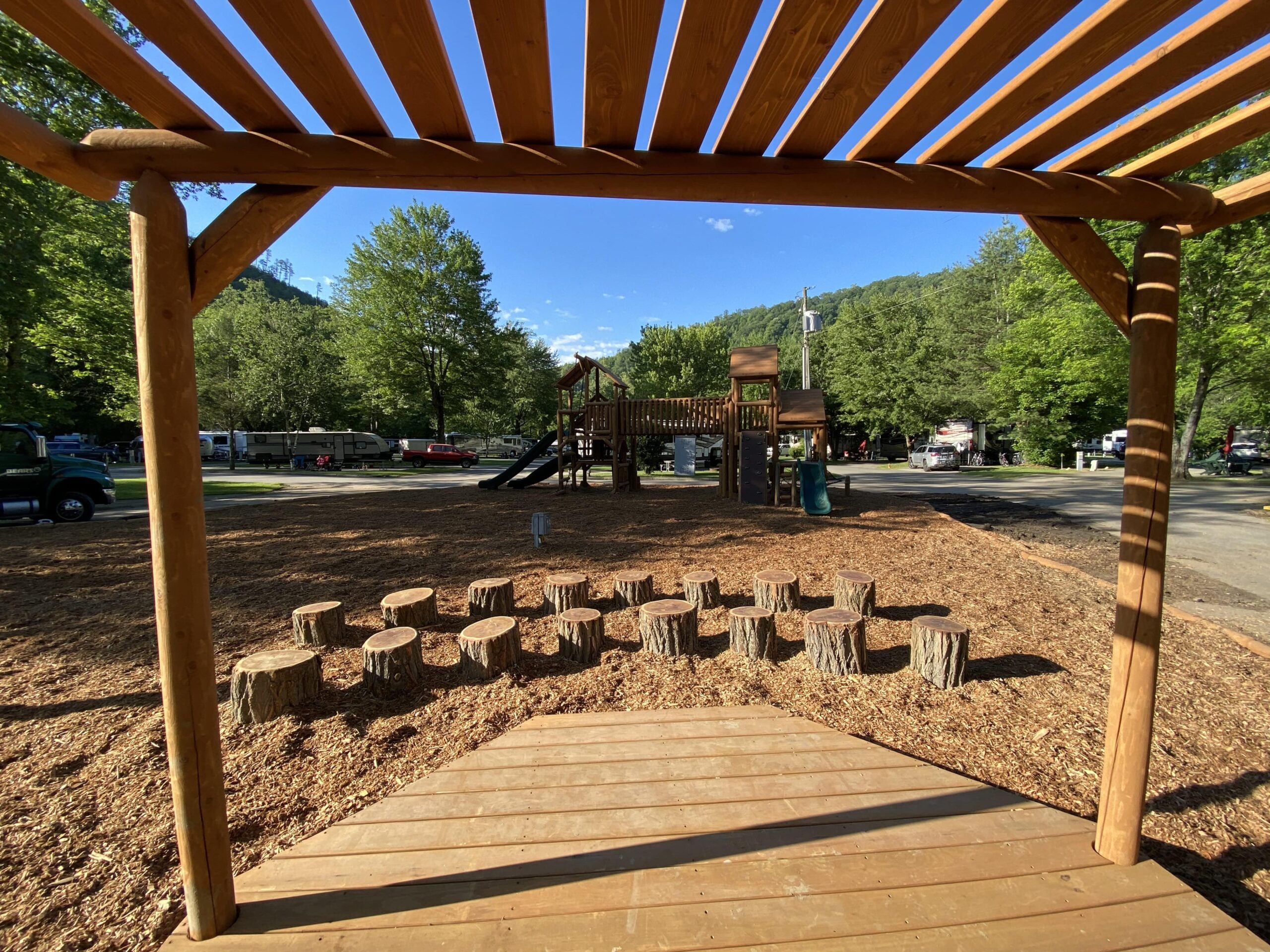
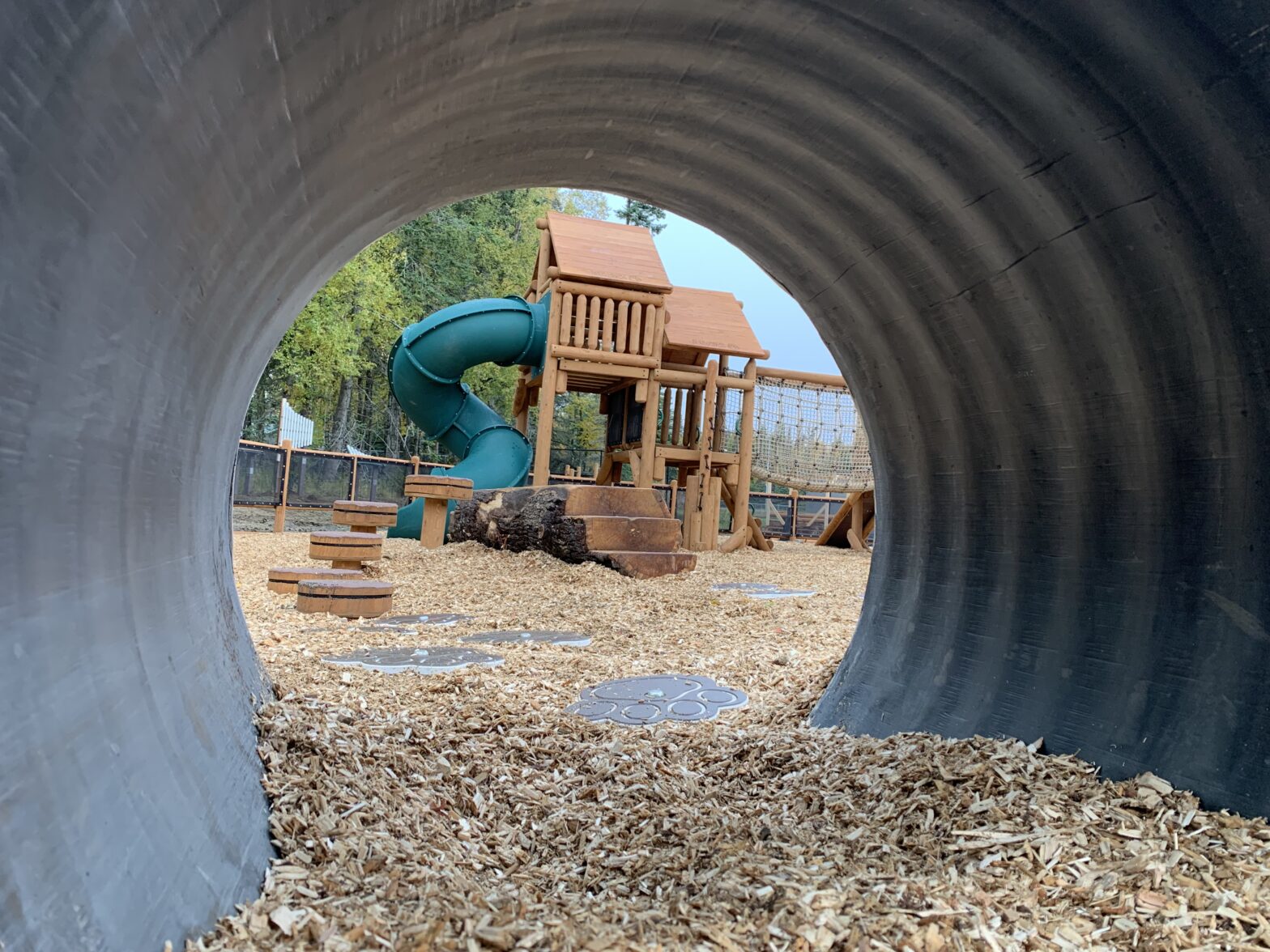
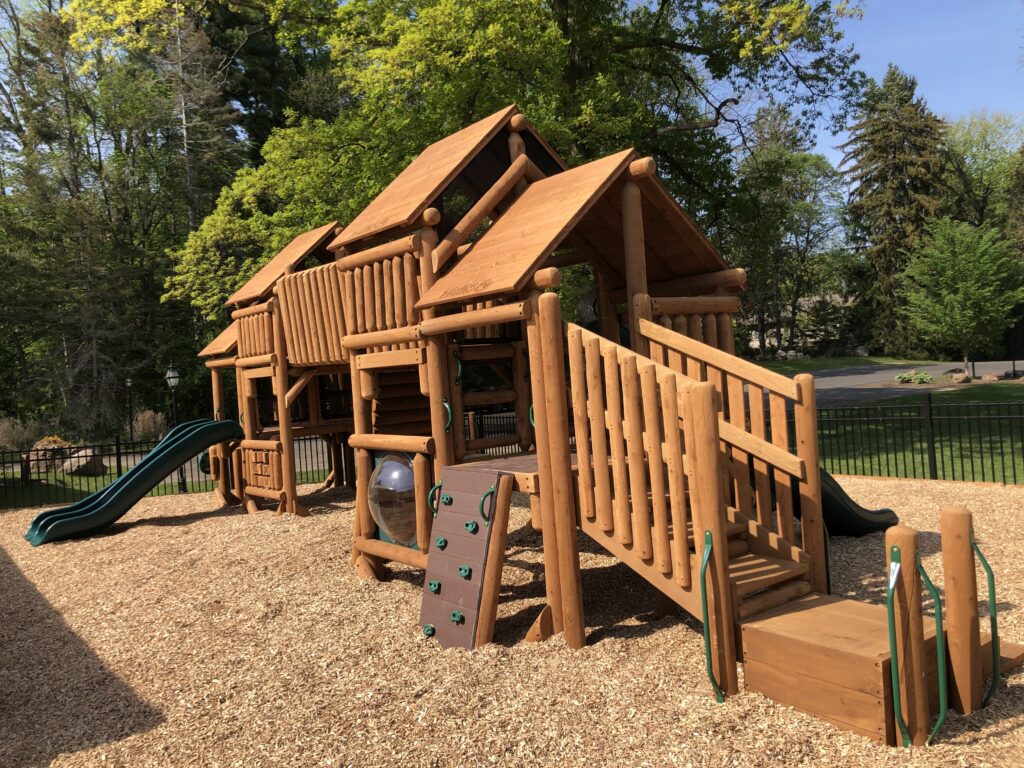
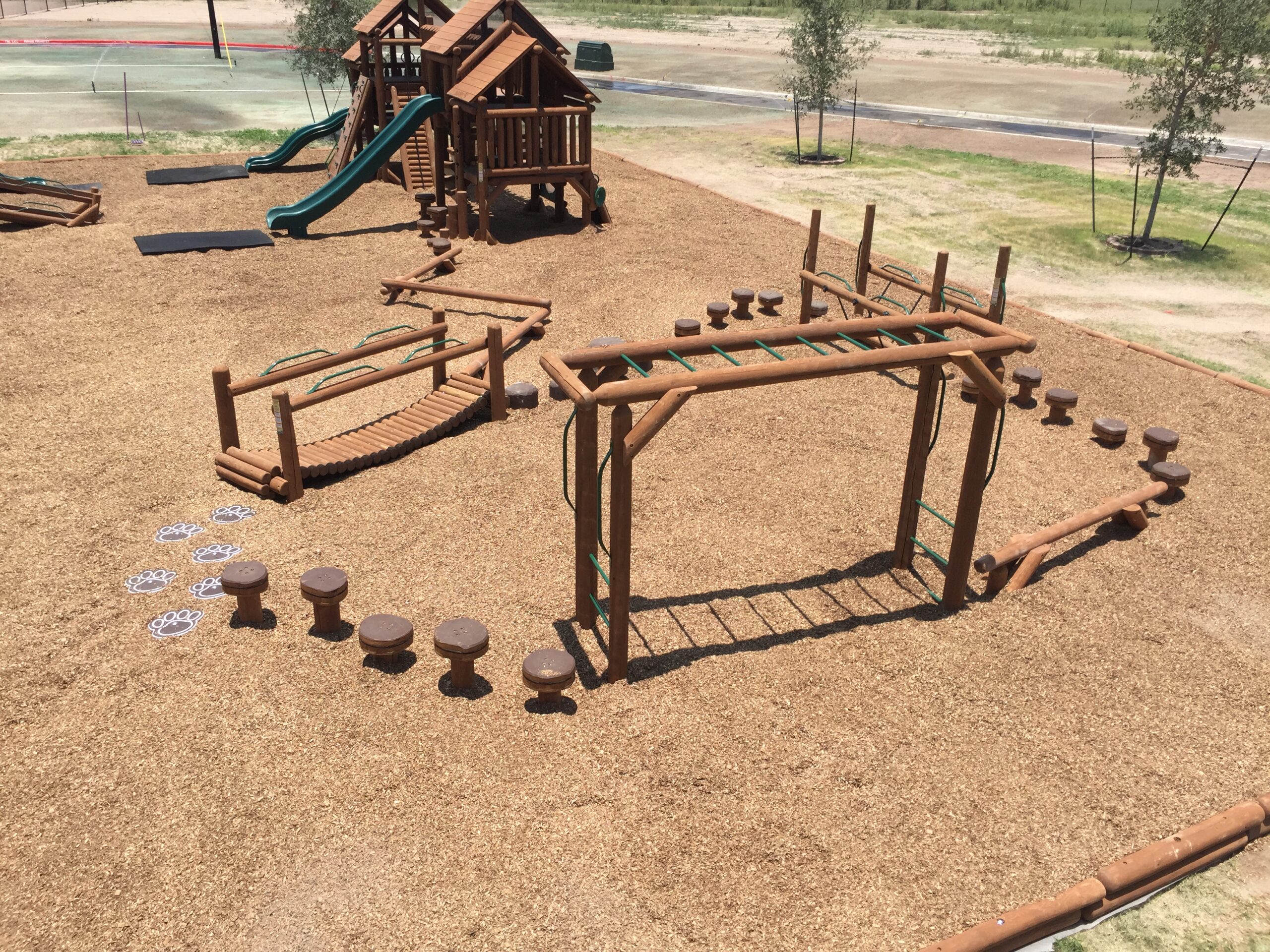
In stock for local delivery or available NATION WIDE by our regional producers. Our Wooden Mulch is blondish in color, engineered and Certified for Playground use. Our wood fiber is a 100% natural product and contains no chemicals or artificial ingredients. It is made from recently harvested and debarked American wood, free of soils, leaves, twigs and other contaminates which hasten decomposition. Chips are randomly sized and contain no waste wood or pallets as they could contain spilled chemicals, paint, metal, or wood preservatives. We utilize fresh wood that cannot be made into lumber. Local delivery is $75 in a 10 cubic yard dump trailer. Large loads (usually 100 cubic yards or more) are available through our regional producers.

National Distribution of this product is available through our regional grinding centers for delivery by tractor trailer. Delivery of this product by tractor trailer usually runs $400 ++ in addition to the cost of the product

Click here to go to the Wooden Playground Mulch detail page.

Rubber Mulch

rubber mulch

Rubber Mulch is Fresh looking, nearly maintenance free, synthetic groundcover specifically designed for playground usage. The rubber provides lasting performance and will never loose its effectiveness as a safety surface. Stock color is a beautiful, natural looking Red / Brown available in 1,000 lb super sacs.

Also available by special order: Blue, Green, and Dark Brown are also by special order. Local driveway dump delivery charge is only $75. Long distance is by tractor trailer and minimum purchase is $5,000.


Rubber Tile

playground tile

Rubber Tile Pavers are a 22" x 44" interlocking rubber mats, installed together to form a unitary safety surface that exceeds ADA guidelines for accessibility and  minimizes maintenance. Advantages of this type of surfacing are that it does not displace during usage and it does not harbor foreign objects. It provides easy cleaning, consistent shock absorbency and sure footing. Tiles should be installed over a hard surface such as  solid concrete (best) , blacktop (better), crushed stone (good, but will show wavy imperfections under), wood decking, roof tops, etc. . Rubber tiles are available in a number of colors and thickness, which vary to accommodate desired fall heights (see the chart below). Available nation wide FOB our shipping center in NY 11801. 

Our tiles are much larger than most tiles, making installation easier. Pricing shown is per  22" x 44" tile. All pricing is FOB 11801 NY, 

Click here to go to the Rubber Tile detail page.

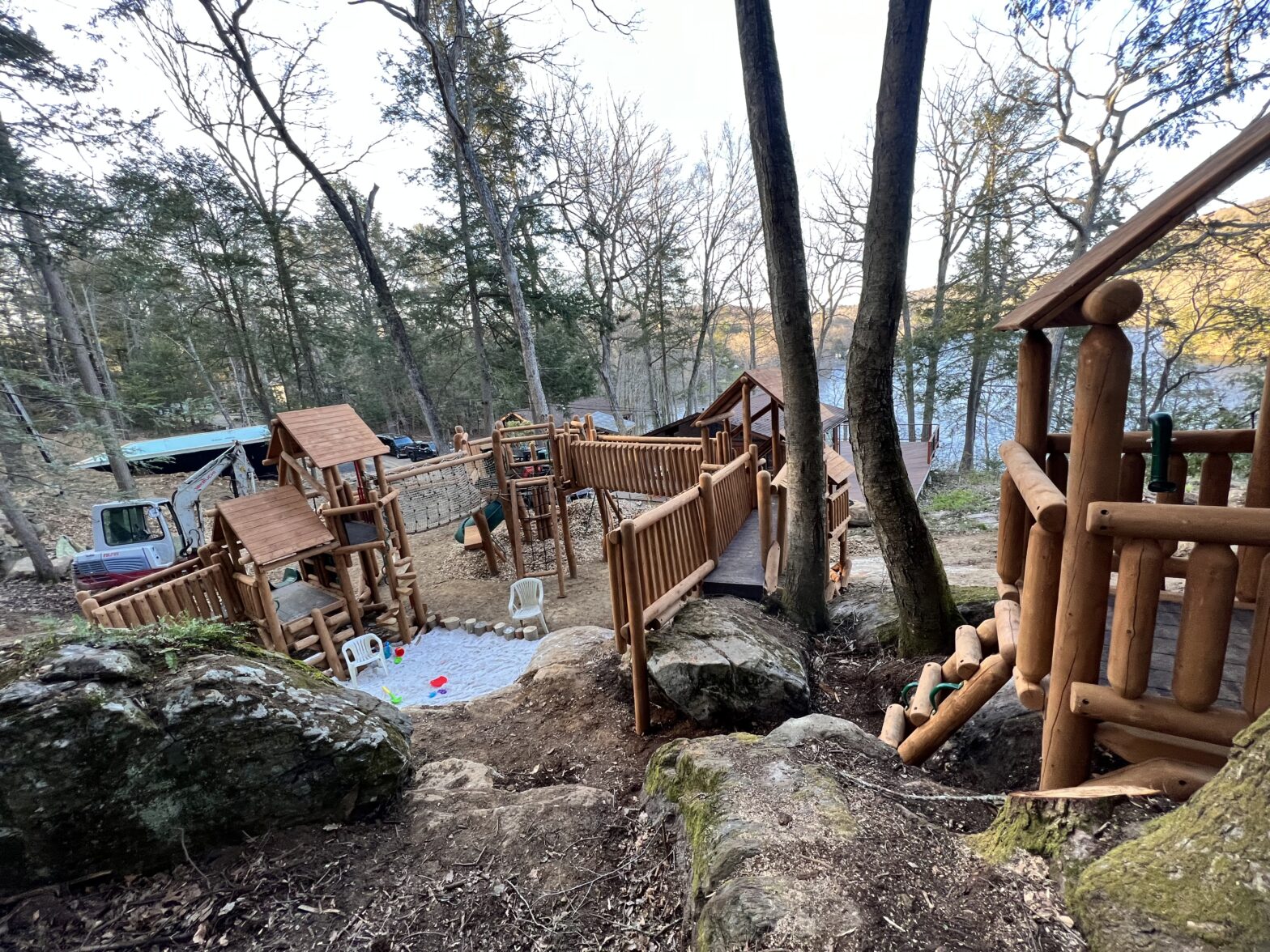
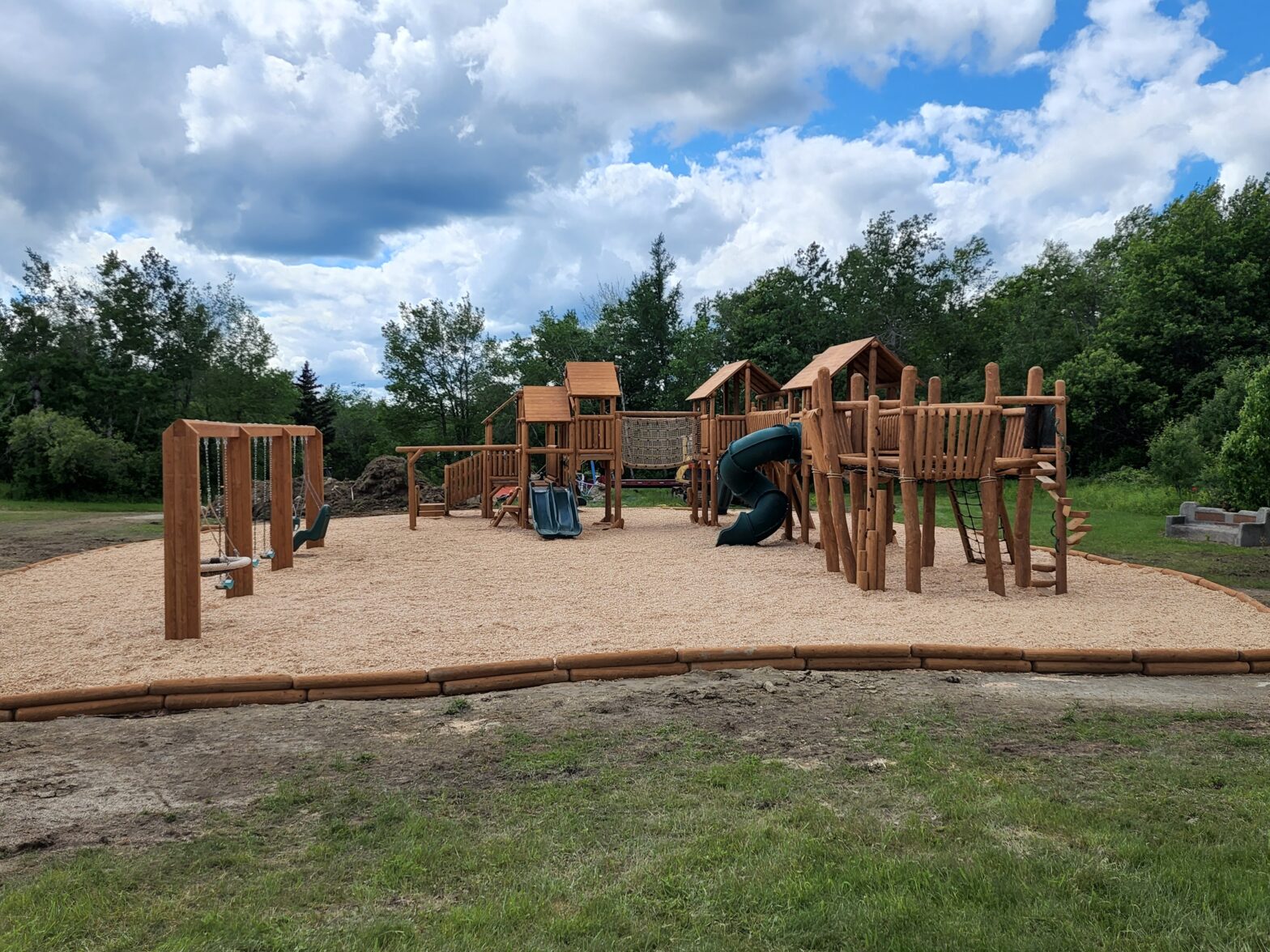
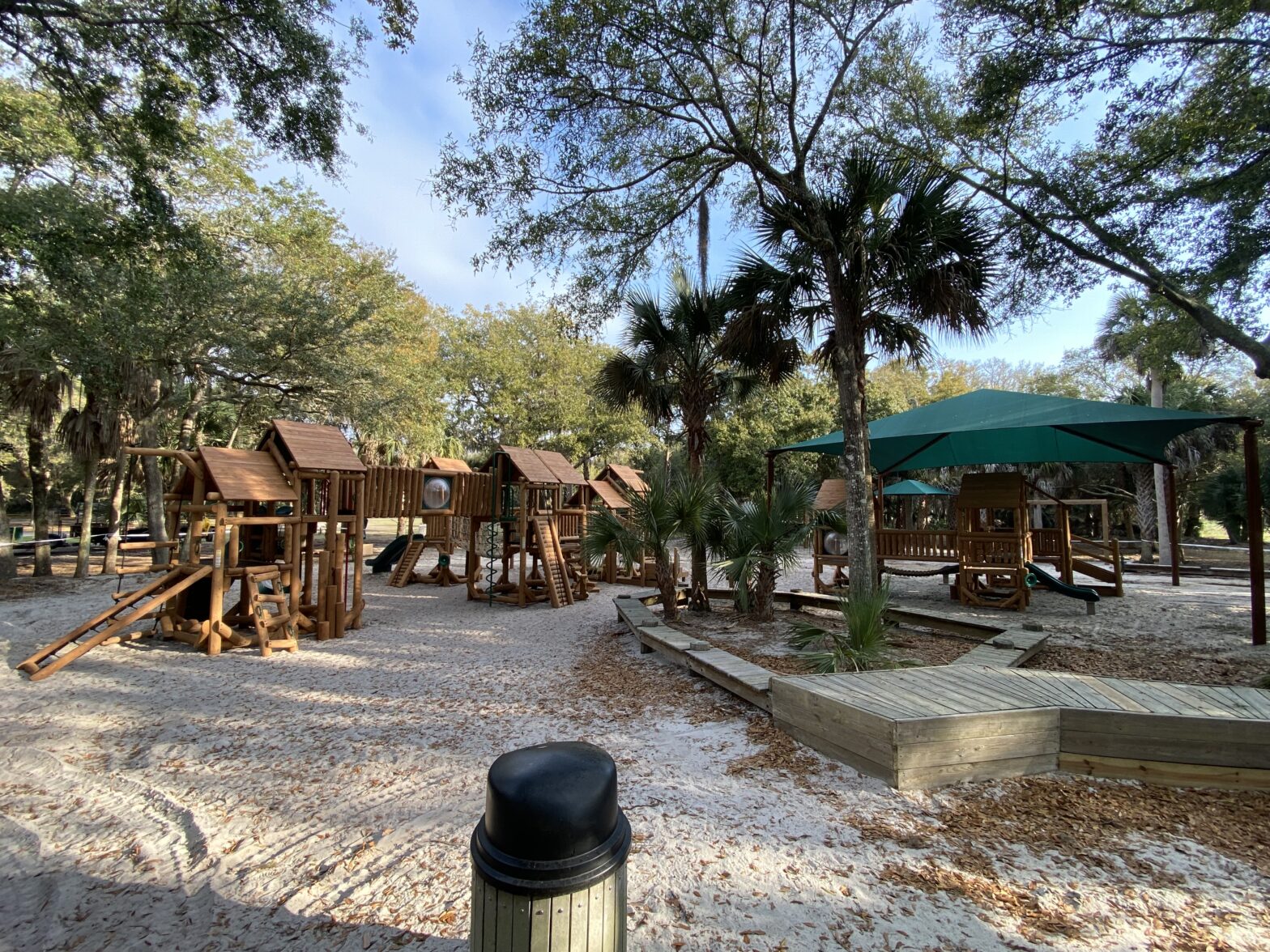
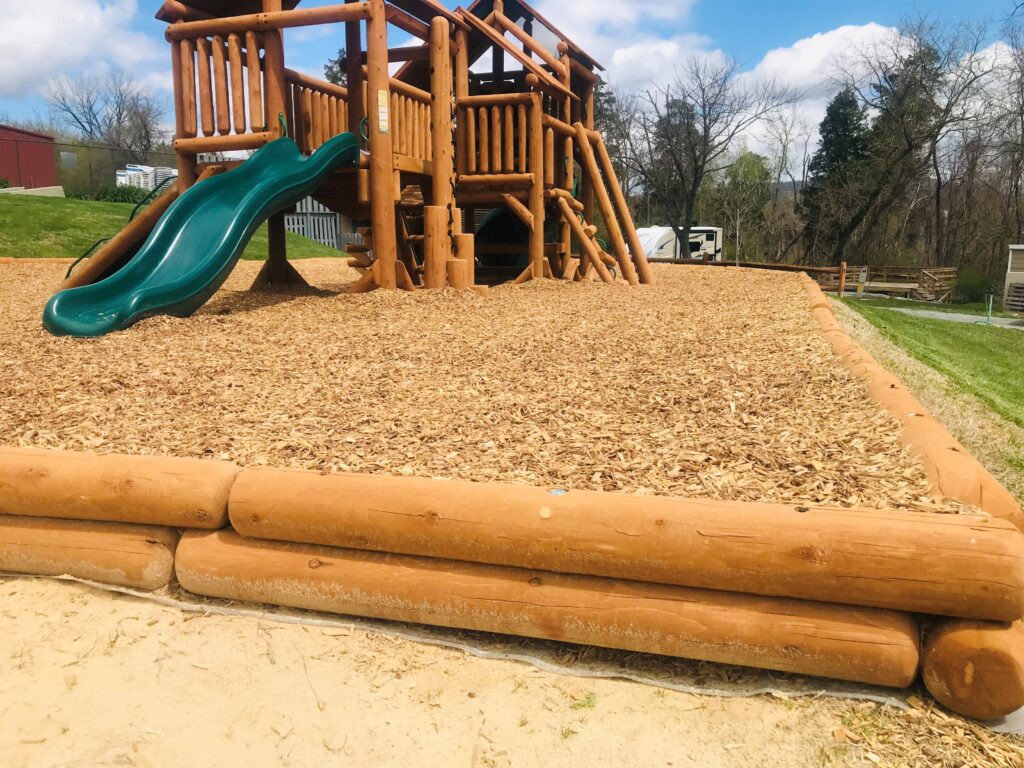
79% of playground injuries are the result of of falls to the surface below. A shock absorbing "safety surface" under and around the playground can reduce the frequency and severity of playground these injuries. Surfacing packages can be provided at the time of the playground installation or added after. For this reason we have put together a number of Safety Surfacing Packages or choices for you. Our most popular Safety Surfacing Systems consists of four parts:

1) Barrier Cloth: Barrier Cloth provides separation between the ground and the surfacing product which helps keep them from intermixing, helps retard soil movement and reduces growth in the area.

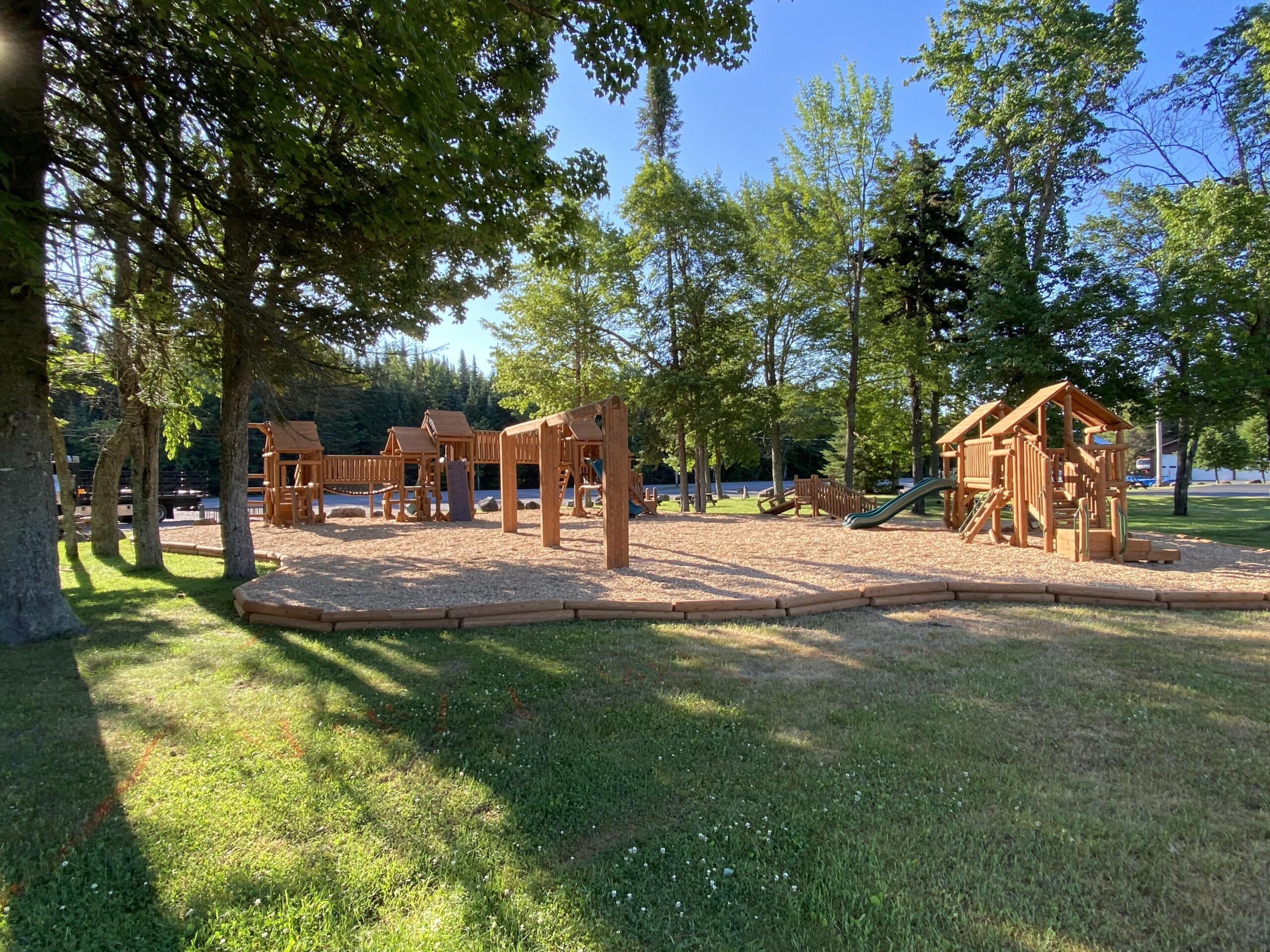
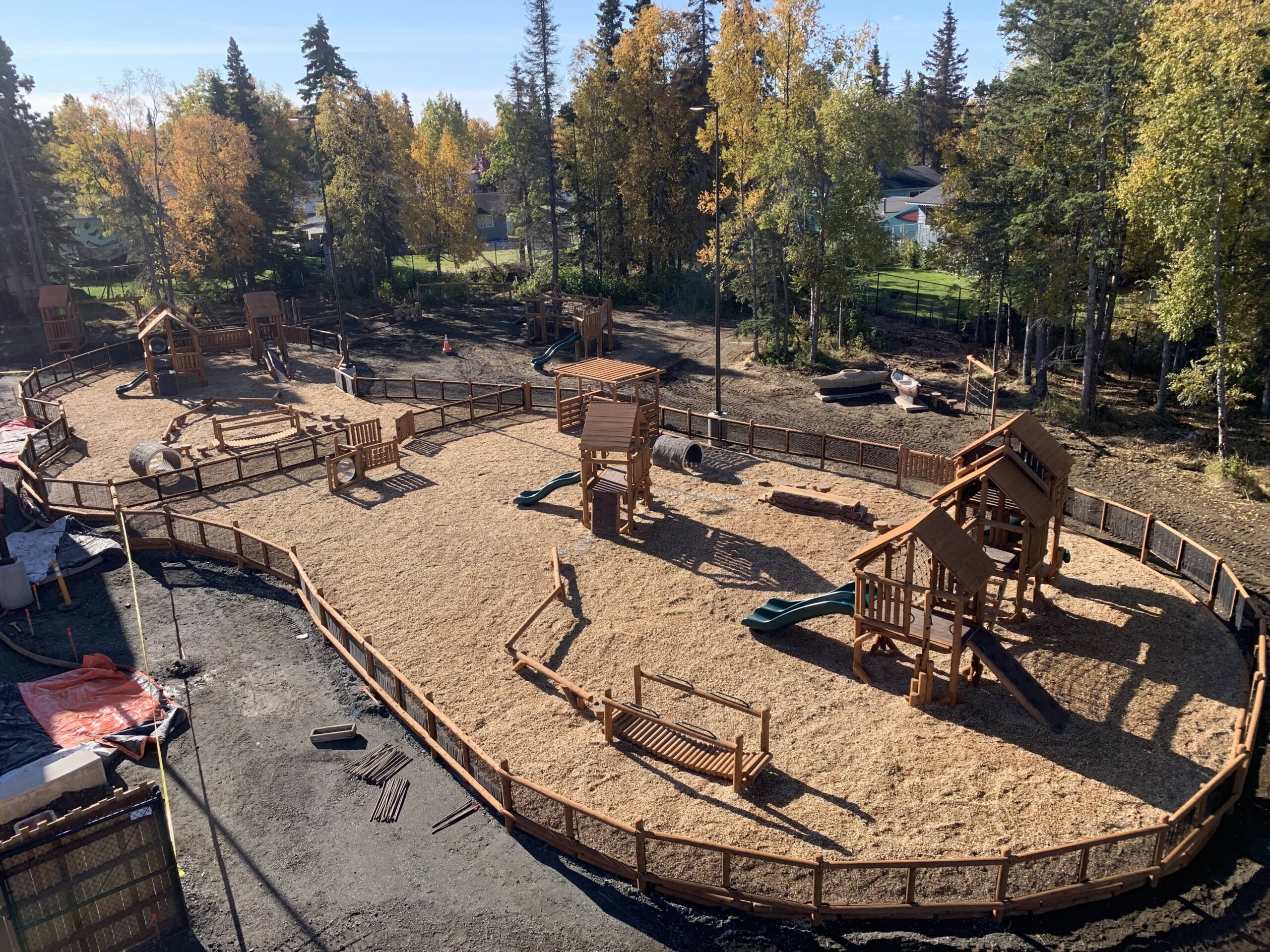
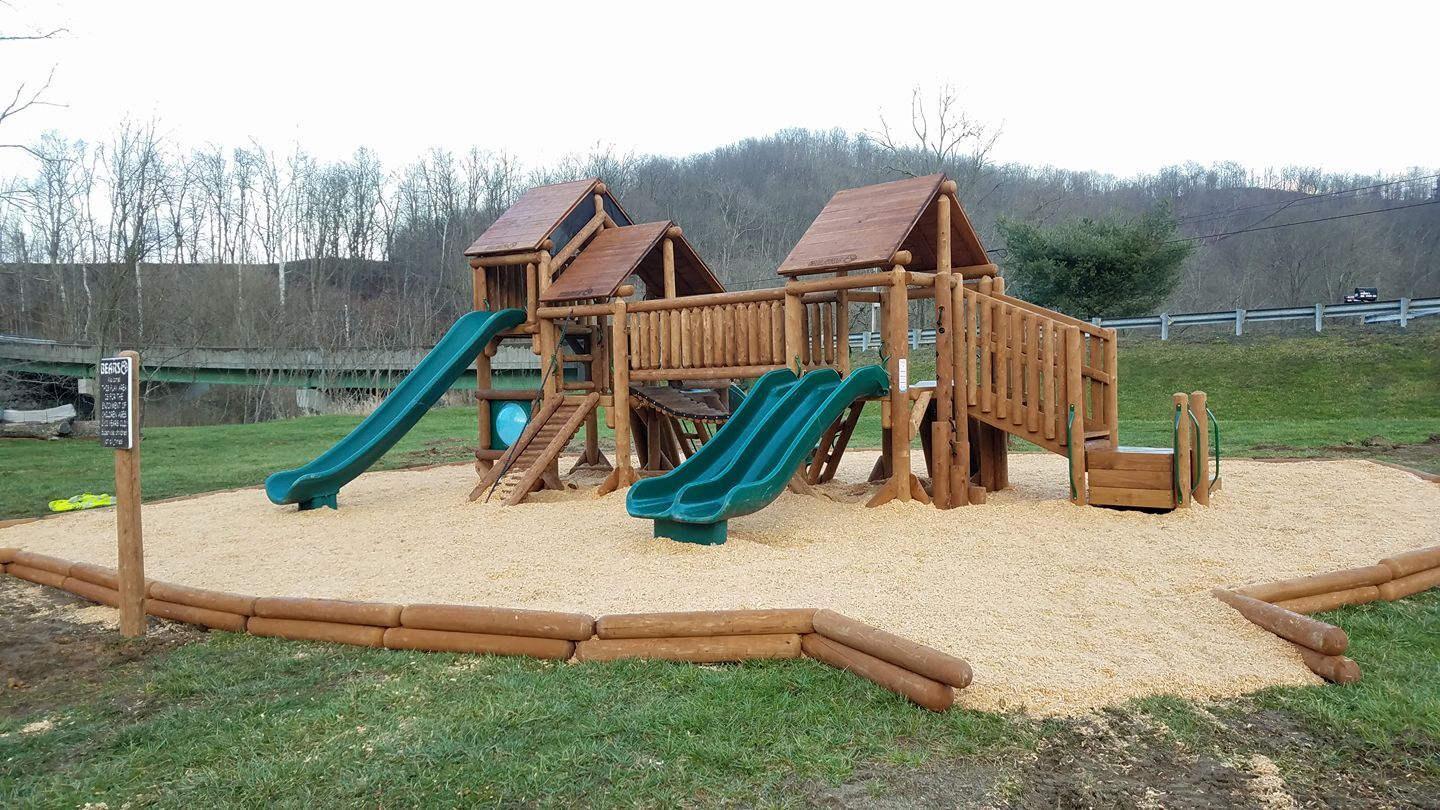
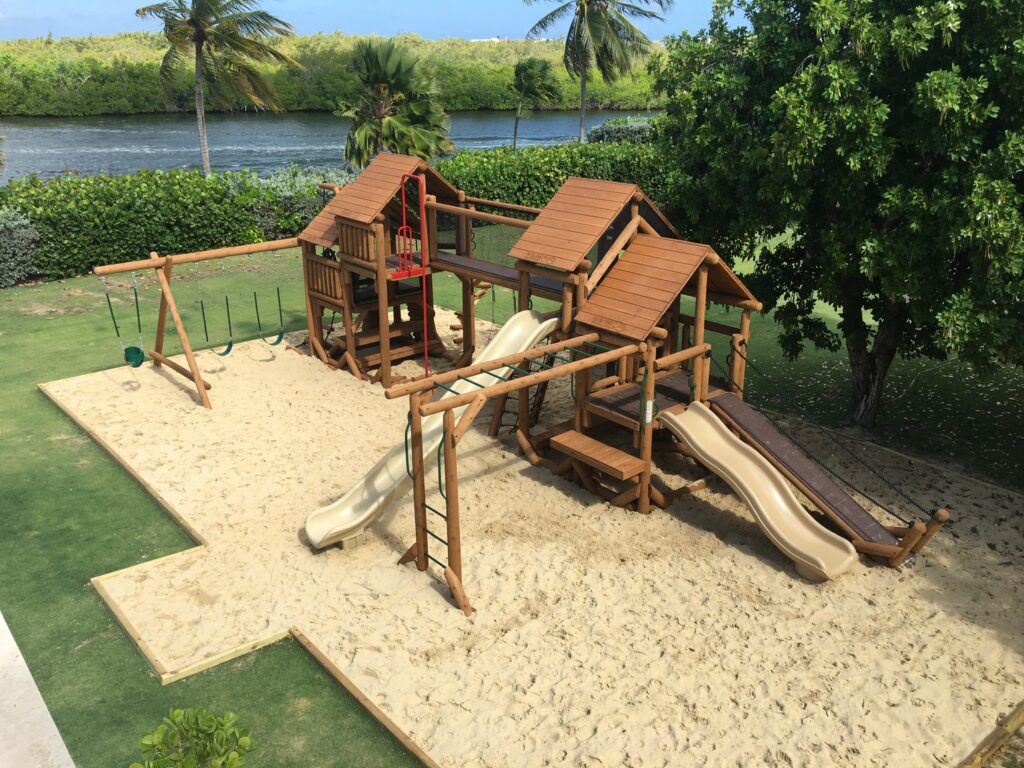
2) Playground Borders: Borders are typically installed above grade to help contain loose fill surfacing materials. Borders can be arranged in an organic, free from shape or in a rectangle. (Some customers, usually those in wooded or natural settings will taper their wooden playground mulch down to grade, without the use of borders.)

3) Colored Rubber Mulch recycled from tires or our Certified Wooden Playground Mulch.

4) Installation: Each project is quote separately based upon the size of the area, the products chosen, depth of the surfacing and installation factors like access to the area by truck and trailer. We also offer below grade systems, drainage and interlocking unitary Rubber Tile pavers which are installed over a hard surface like concrete or asphalt.

Below in black, CPSC Fall Height Chart in feet from which a Life threatening Head Injury Would not be expected. Data provided in black has been extracted from CPSC publication "Playground Surfacing". Data in Green from Bears. A fall onto a shock absorbing surface is less likely to cause a serious head injury than a fall onto a hard surface. back to top
 
compressed 9"
Availability /Coverage

Double Shredded Bark Mulch

Product not available through Bears
 

Wood Chips

7'
Product not available through Bears
 

Shredded Tires

10'
see below
 

Fine Sand

4'
Product not available through Bears
 

Pea Gravel

5'
Product not available through Bears
 
Below information is specific to products available at Bears Playgrounds only

Bears

Colored Rubber Mulch


12'


4.3lbs x sf @ 2”
8.6lbs x sf @ 4”
13 lbs x sf @ 6”
19.4 lbs x sf @ 9"

call for price per 1,000lb. Sac + delivery.

Often Stocked in red / brown color, 1000 lb super sacs, or other colors by special order.

Local and Regional Projects only.

Bears

Certified Wooden
Playground Mulch


8'+
12" provides 12' fall protection


3” = sf x .012,
6” = sf x .025,
8’ = sf  x .033,
9' = sf x .037,

12” = sf x .05

Formula above calculates cubic yards after compression.

Stocked locally for smaller deliveries or Available Nationwide via our regional producers, delivery by 100 cubic yard tractor trailers. Price dependent upon volume.

Interlocking Rubber Tile

See web site, Price and fall height varies by thickness and color approx $5.35 – $13.69 per sf plus, see rubber tile page for details.

Special order FOB 12477 NY

Cedar Log Borders


Brown stained, 4’ long yields 3.5’ after interlock x approx 5” high, with 25” button head stake. Made from real cedar logs. Mulch depth can be maintained in the use zone and taper down at the edges, outside the use zone.

$29.99

Available Nationwide, Built to order in our shop, FOB 14485 NY

Cedar Edging

9" tall, random sized, brown stained,
6 ’ long. Not interlocking but strung together. Made from real cedar logs.

$29.99

Available Nationwide, Built to order in our shop, FOB 14485 NY

6” Regular Duty Plastic Border

Dark Brown yields 4’ after interlock x 6” high, with 25” button head stake. Made from .125” molded polyethylene.

$29.99

Stocked, available Nationwide, 48 per pallet (215 lbs) FOB 14485 or 23847,

8” Heavy Duty Black Border

Black yields 4’ after interlock x 8” high, with 30” button head stake. Made from thick molded polyethylene.

$35.99

Special order, available Nationwide, 40 per pallet FOB 27320.

12” Heavy Duty Black Border

Black yields 4’ after interlock x 12” high, with 30” button head stake. Made from thick molded polyethylene.

$38.99

Special order, available Nationwide, 40 per pallet FOB 27320

Super Duty Rubber Swing / Slide Mat

Helps prevent wear of loose fill materials under commercial swings and slides, 4’ x 6’ x 2” thick. Weighs nearly 200 lbs. each to help prevent displacement, provides up to 5’ of fall protection.

$250

Stocked, available Nationwide, up to 10 per pallet FOB 14485 or 46562.

Regular Duty Rubber Swing / Slide Mat

Helps prevent wear of loose fill materials under back yard swings and slides, 23” x 38” with beveled edges. Home Use Only.

$50

Stocked for local project

Barrier Cloth

12’ wide + rolls produce fewer seams, priced per roll, per job or per linier foot.

$2.50 per linier ft. or $.21 per sq. ft.

Stocked for local projects.

2.4 Surfacing
The surfacing under and around playground equipment is one of the most important factors in reducing the likelihood of life-threatening head injuries. A fall onto a shock absorbing surface is less likely to cause a serious head injury than a fall onto a hard surface. However, some injuries from falls, including broken limbs, may occur no matter what playground surfacing material is used. The most widely used test method for evaluating the shock absorbing properties of a playground surfacing material is to drop an instrumented metal headform onto a sample of the material and record the acceleration/time pulse during the impact. Field and laboratory test methods are described in ASTM F1292 Standard Specification for Impact Attenuation of Surface Systems Under and Around Playground Equipment. Testing using the methods described in ASTM F1292 will provide a “critical height” rating of the surface. This height can be considered as an approximation of the fall height
below which a life-threatening head injury would not be expected to occur. Manufacturers and installers of playground
protective surfacing should provide the critical height rating of their materials. This rating should be greater
than or equal to the fall height of the highest piece of equipment on the playground. The fall height of a piece of equipment
is the distance between the highest designated play surface on a piece of equipment and the protective surface
beneath it. Details for determining the highest designated play surface and fall height on some types of equipment are
included in §5 Parts of the Playground.

2.4.1 Equipment not covered by protective surfacing recommendations
The recommendations for protective surfacing do not apply to equipment that requires a child to be standing or sitting at
ground level. Examples of such equipment are:
• Sand boxes
• Activity walls at ground level
• Play houses
• Any other equipment that children use when their feet
remain in contact with the ground surface
2.4.2 Selecting a surfacing material
There are two options available for surfacing public playgrounds: unitary and loose-fill materials. A playground should never be installed without protective surfacing of some type. Concrete, asphalt, or other hard surfaces should never be directly under playground equipment. Grass and dirt are not considered protective surfacing because wear and environmental factors can reduce their shock absorbing effectiveness. Carpeting and mats are also not appropriate unless they are tested to and comply with ASTM F1292. Loose-fill should be avoided for playgrounds intended for toddlers.
Handbook for Playground Safety 8
2.4.2.1 Unitary surfacing materials
Unitary materials are generally rubber mats and tiles or a combination of energy-absorbing materials held in place by a
binder that may be poured in place at the playground site and then cured to form a unitary shock absorbing surface.
Unitary materials are available from a number of different manufacturers, many of whom have a range of materials with
differing shock absorbing properties. New surfacing materials, such as bonded wood fiber and combinations of loose-fill
and unitary, are being developed that may also be tested to ASTM F1292 and fall into the unitary materials category.
When deciding on the best surfacing materials keep in mind that some dark colored surfacing materials exposed to the
intense sun have caused blistering on bare feet. Check with the manufacturer if light colored materials are available or
provide shading to reduce direct sun exposure. Persons wishing to install a unitary material as a playground
surface should request ASTM F1292 test data from the manufacturer identifying the critical height rating of the desired
surface. In addition, site requirements should be obtained from the manufacturer because some unitary materials
require installation over a hard surface while others do not. Manufacturer’s instructions should be followed closely, as
some unitary systems require professional installation. Testing should be conducted in accordance with the ASTM F1292 standard.

2.4.2.2 Loose-fill surfacing materials
Engineered wood fiber (EWF) is a wood product that may look similar in appearance to landscaping mulch, but EWF products are designed specifically for use as a playground safety surface under and around playground equipment. EWF products should meet the specifications in ASTM F2075: Standard Specification for Engineered Wood Fiber and be tested to and comply with ASTM F1292. There are also rubber mulch products that are designed specifically for use as playground surfacing. Make sure they have been tested to and comply with ASTM F1292. When installing these products, tips 1-7 listed below should be followed. Each manufacturer of engineered wood fiber and rubber mulch should provide maintenance requirements for and test data on:
• Critical height based on ASTM F1292 impact attenuation testing.
• Minimum fill-depth data.
• Toxicity.
• ADA/ABA accessibility guidelines for firmness and stability based on ASTM F1951. Handbook for Playground Safety 9 Appropriate Surfacing
• Any material tested to ASTM F1292, including
unitary surfaces, engineered wood fiber, etc.
• Pea gravel
• Sand
• Shredded/recycled rubber mulch
• Wood mulch (not CCA-treated)
• Wood chips
Inappropriate Surfacing
• Asphalt
• Carpet not tested to ASTM F1292
• Concrete
• Dirt
• Grass
• CCA treated wood mulch
Other loose-fill materials are generally landscaping-type materials that can be layered to a certain depth and resist compacting. Some examples include wood mulch, wood chips, sand, pea gravel, and shredded/recycled rubber mulch.
Important tips when considering loose-fill materials: 1. Loose-fill materials will compress at least 25% over time due to use and weathering. This must be considered when planning the playground. For example, if the playground will require 9 inches of wood chips, then the initial fill level should be 12 inches. See Table 2 below. 2. Loose-fill surfacing requires frequent maintenance to
ensure surfacing levels never drop below the minimum depth. Areas under swings and at slide exits are more susceptible
to displacement; special attention must be paid to maintenance in these areas. Additionally, wear mats can be installed in these areas to reduce displacement. 3. The perimeter of the playground should provide a method of containing the loose-fill materials. 4. Consider marking equipment supports with a minimum fill level to aid in maintaining the original depth of
material. 5. Good drainage is essential to maintaining loose-fill surfacing. Standing water with surfacing material reduces
effectiveness and leads to material compaction and decomposition. 6. Critical height may be reduced during winter in areas
where the ground freezes. 7. Never use less than 9 inches of loose-fill material. Shallower depths are too easily displaced and compacted. 8. Some loose-fill materials may not meet ADA/ABA accessibility guidelines. For more information, contact the
Access Board (see §1.6) or refer to ASTM F1951. 9. Wood mulch containing chromated copper arsenate (CCA)-treated wood products should not be used; mulch where the CCA-content is unknown should be avoided (see §2.5.5.1).
Table 2 shows the minimum required depths of loose-fill material needed based on material type and fall height. The
depths shown assume the materials have been compressed due to use and weathering and are properly maintained to
the given level. 2.4.2.3 Installing loose-fill over hard surface CPSC staff strongly recommends against installing playgrounds
over hard surfaces, such as asphalt, concrete, or hard packed earth, unless the installation adds the following
layers of protection. Immediately over the hard surface there should be a 3- to 6-inch base layer of loose-fill (e.g., gravel
for drainage). The next layer should be a Geotextile cloth. On top of that should be a loose-fill layer meeting the specifications
addressed in §2.4.2.2 and Table 2. Embedded in the loose-fill layer should be impact attenuating mats under high
traffic areas, such as under swings, at slide exits, and other places where displacement is likely. Figure 1 provides a visual
representation of this information. Older playgrounds that still exist on hard surfacing should be modified to provide
appropriate surfacing. Handbook for Playground Safety

4.3 Maintaining Loose-Fill Surfacing
Loose-fill surfacing materials require special maintenance. High-use public playgrounds, such as child care centers and schools, should be checked frequently to ensure surfacing has not displaced significantly, particularly in areas of the
playground most subject to displacement (e.g., under swings and slide exits). This can be facilitated by marking ideal surfacing depths on equipment posts. Displaced loose-fill surfacing should be raked back into proper place so that a constant depth is maintained throughout the playground. Impact attenuating mats placed in high traffic areas, such as under swings and at slide exits, can significantly reduce Handbook for Playground Safety 17 Table 3. Routine inspection and maintenance issues Broken equipment such as loose bolts, missing end caps, cracks, etc. Broken glass & other trash Cracks in plastics Loose anchoring
Hazardous or dangerous debris Insect damage Problems with surfacing Displaced loose-fill surfacing (see Section 4.3)
Holes, flakes, and/or buckling of unitary surfacing. User modifications (such as ropes tied to parts or equipment rearranged)
Vandalism, Worn, loose, damaged, or missing parts Wood splitting, Rusted or corroded metals, Rot displacement. They should be installed below or level with surfacing so as not to be a tripping hazard. The following are key points to look for during regular
checks of surfacing:
• Areas under swings and at slide exits. Activity in these
areas tends to displace surfacing quickly. Rake loose-fill
back into place.
• Pooling water on mulch surfacing. For example, wet
mulch compacts faster than dry, fluffy mulch. If puddles
are noticed regularly, consider addressing larger drainage
issues.
• Frozen surfacing. Most loose-fill surfacing that freezes
solid no longer functions as protective surfacing. Even if
the first few inches may be loose, the base layer may be
frozen and the impact attenuation of the surfacing may be
significantly reduced. It is recommended that children not
play on the equipment under these conditions.


back to top
© Bears Playgrounds
1-877-807-7529
info@bearsplaygrounds.com

Surfacing Systems Home Page

header